Parasites

cattle_cow_lice_winter

Lice infestations in Cattle and Sheep: Indoor Winter Housing

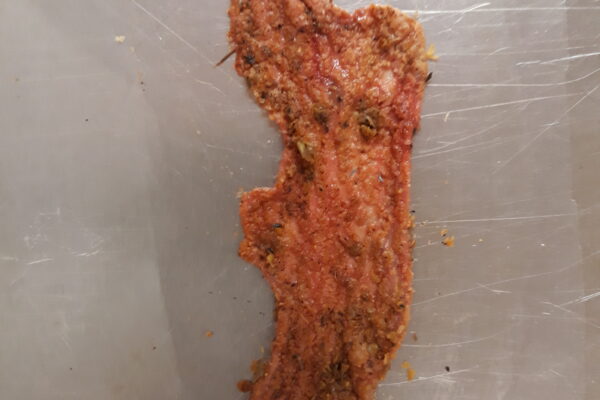
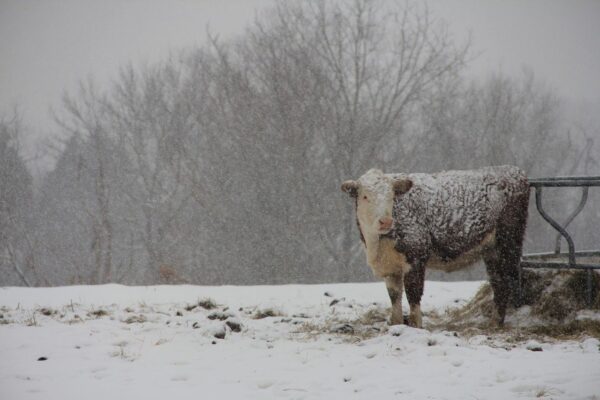
Lice infestations in Cattle and Sheep: Indoor Winter Housing What are lice? Lice are ectoparasites that live permanently on their host. They either feed off blood meals or on the skin, hair, fleece or any other debris on the skin.  These are named sucking or chewing lice, respectively. Bovicola ovis and Bovicola bovis are chewing lice which are found on sheep and cattle, respectively. In the UK, three species of sucking lice commonly affect cattle — Linognathus vituli, Solenopotes capillatus, Haematopinus eurysternus…

0
Read More

Sheep Scab and Psoroptes ovis

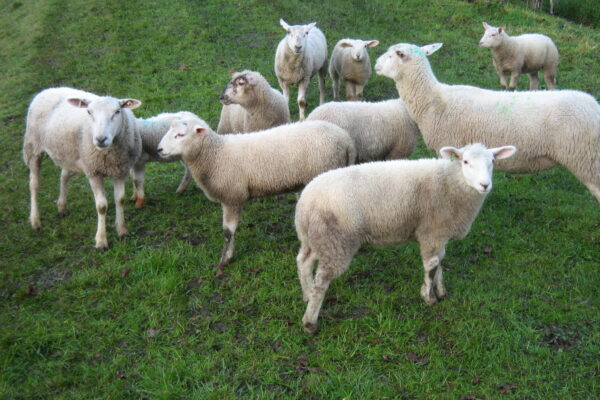
What is Sheep Scab? Sheep scab is a endemic disease caused by Psoroptes ovis, more commonly known as scab mites. Scab mites defecate on the skin which causes an allergic reaction. With a short life cycle of only 14 days, scab mite populations can increase fast and can infect an entire flock. Even more so when kept indoors and in close proximity. The mite can survive for up to 17 days off the sheep, but needs a sheep to complete its…

0
Read More

Happy New Year: A round up of all of the parasites we have seen this year

Happy New Year: A round up of all of the parasites we have seen this year We’ve been lucky enough to see quite a range of parasites at Ridgeway this year, including some new ones and some that we’ve encountered many times. We thought we would share a few of these with you to sum up some of our work this year. We look forward to seeing what new and exciting species 2021 brings us! Dictyocaulus filaria A new parasite…

0
Read More

Necrotic Enteritis: A Devastating Disease Caused by C. perfringens

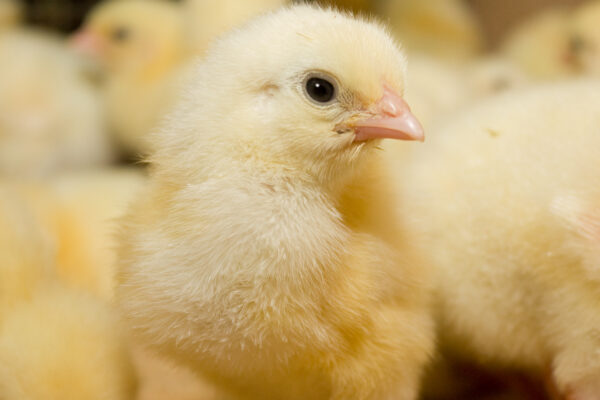
Necrotic Enteritis: A Devastating Disease Caused by C. perfringens What is Necrotic Enteritis? The bacterium Clostridium perfringens causes necrotic enteritis (NE). It is a type of gastrointestinal condition called enterotoxemia. NE has a single causative agent and thus is a much simpler disease than bacterial enteritis, which it is commonly confused with. Although many of the contributory factors are the same the diseases are quite different and necrotic enteritis is less complex than its bacterial counterpart. Clostridium perfringens C. perfringens can infect…

0
Read More

Bacterial Enteritis in poultry

Bacterial Enteritis in Poultry What is Bacterial Enteritis? Bacterial enteritis (BE), also commonly referred to as Dysbacteriosis, Dysbiosis and Small Intestinal Bacterial Overgrowth (SIBO) is a disease observed in poultry which entails extreme inflammation and pathology in the gastrointestinal tract. Due to similar pathologies in the intestine, bacterial enteritis can commonly be confused with coccidiosis and necrotic enteritis, which are two entirely different diseases (see here for our article on coccidiosis). Misdiagnosis can lead to use of antibiotics or anticoccidials…

0
Read More
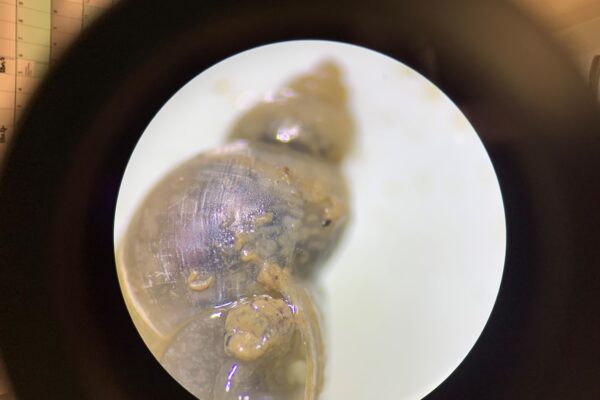
Infected Liver fluke snail

Parasite Watch Autumn Edition: Parasites to Watch Out For in Your Ruminants

Parasite Watch Autumn Edition: Parasites to Watch Out For in Your Ruminants This week we’re going to focus on parasites which cause two specific diseases in ruminates. These are parasitic gastroenteritis or PGE, caused by roundworms, and liver fluke, caused (unsurprisingly) by liver fluke flatworms. What is PGE? Parasitic gastroenteritis is one of the major contributors of reduced productivity in ruminants. An overburden of parasitic nematodes (roundworms) causes the infection in cattle, sheep and goats. These parasites reside in the…

0
Read More

Anthelmintics: When Should I Use a Wormer?

Anthelmintics: When Should I Use a Wormer? What are wormers? An anthelmintic, or wormer, is a drug which treats infections of parasitic worms. These could be nematodes — roundworms like Ascaradia galli in chickens, cestodes — tapeworms like Moniezia expansa in sheep, or trematodes — flukes like Calicophoron daubneyi in various livestock species. Anthelmintics are widely used across the globe, but misuse is leading to the growing issue of resistance. How do I know which wormer to use? Firstly, how do you know your animals need…

0
Read More

The Challenges of Going Off Grid and Preparing for the Unexpected!

The Challenges of Going Off Grid and Preparing for the Unexpected! If you’re seeking to explore some less crowded areas this summer, we have a cautionary tale for you! A staff member’s recent experience brought ticks back into the spotlight here at Ridgeway Research. It’s never a good sign when you’re travelling and you look down at your legs only to scream “WHAT IS THAT?!” It was a tiny “seed” tick, the young larval or nymphal tick stage. Tiny but…

0
Read More

What is Blowfly Strike in Sheep?

What is Blowfly Strike in Sheep? Blowfly strike is a common annual battle that sheep farmers must face, particularly during the summer months. When the weather is warm and wet, it creates optimum conditions for flies and maggots to thrive. What causes blowfly strike? Blowfly strike is caused by the larvae of dipteran flies. They invade the skin of living sheep, causing lesions that can lead to tissue and muscle damage. The primary flies (green bottles) strike first, laying their…

0
Read More

Quality Monitoring of Liver Fluke Metacercariae

Quality Monitoring of Liver Fluke Metacercariae At our laboratory part of the work we do is to maintain several colonies of mud snails. These are intermediate hosts in the life cycle of the liver fluke, Fasciola hepatica. After eggs pass out of infected sheep in faecal matter, the eggs remain dormant on pasture until conditions are optimal. When weather conditions are warm and wet, the eggs hatch into the free-living stage. These miracidium actively seek out the snail hosts and subsequently…

0
Read More