Artificial Rumens – An Alternative to Animal Suffering
Artificial rumens are a integral tool in examining pharmaceutical whilst mitigating harm to animals. Here we cover GCR and RUSITEC Techniques.
0
Read More


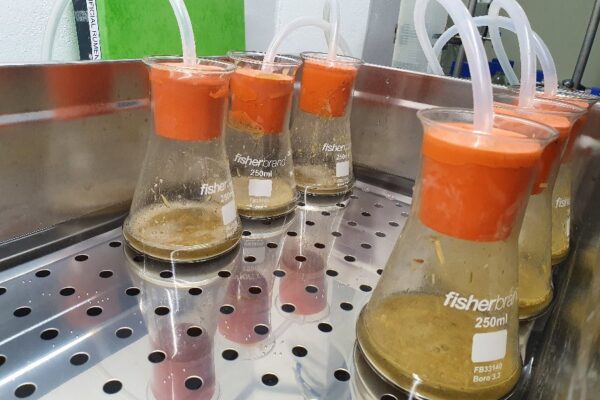
Artificial rumens are a integral tool in examining pharmaceutical whilst mitigating harm to animals. Here we cover GCR and RUSITEC Techniques.

As autumn is now truly underway there are some causes of sudden death in cattle to be aware of. Sudden death in cattle is always a cause for concern on a farm and can be a distressing event. Here we present some of the major causes, how to identify them and how to approach each situation in a calm manor.
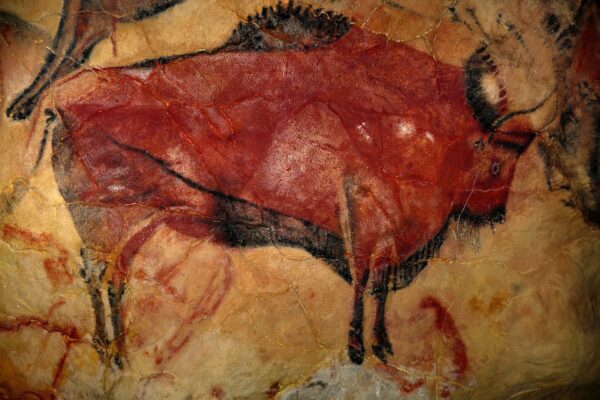
Cattle were some of the earliest results of domestication by humans. Genetic and archaeological records show that this may have begun as early as around 10,500 years ago. Aurochs (Bos taurus primigenius) were large wild bovines which ranged across the grasslands and forests of Eurasia and northern Africa. Ancient people gradually domesticated these animals and eventually this resulted in the modern cattle we know today.
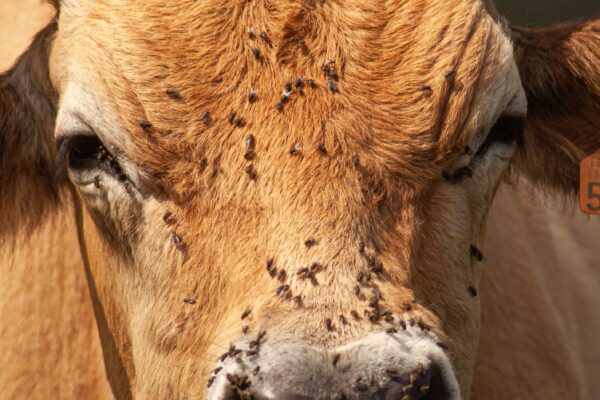
Set a Wasp to Catch a Fly: Nuisance Flies and Biological Control With spring firmly settled in, and the grass finally starting to grow, fly season is fast approaching. While flies and midges are expected when dealing with livestock, too many can cause significant problems. Here we take a look at a few of the management option available, from chemical treatments to biological control. The problems flies cause In the UK, the main flies which bother livestock are house, stable,…
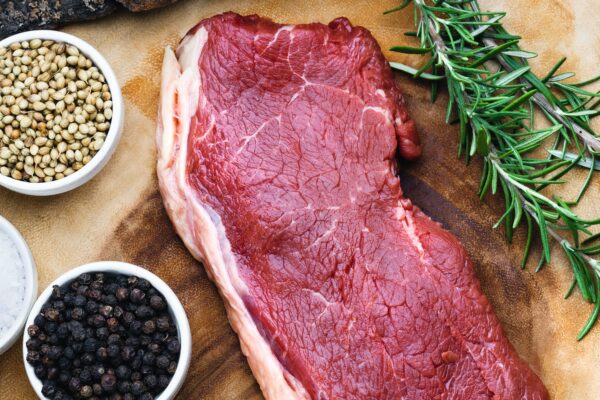
Great British Beef Week: Sustainability in the Beef Industry This week is Great British Beef Week. Originally started by the Ladies in Beef, a grassroots agricultural collective, this year marks the 11th celebration of British beef. While last year’s celebrations were greatly curtailed by the COVID-19 pandemic, this year, the focus is on sustainability in the beef industry. What is the problem? When assessing sustainability in an agricultural industry, there are three main areas that are usually focussed on. These…

Spring Grazing Deficits: Why Isn’t the Grass Growing? Across the UK, many farmers are reporting grazing deficits. This occurs when the demand for feed from pasture is greater than the amount of grass actually growing. When this happens, farmers must provide animals with extra feed to keep them healthy and maintain growth. With peak lambing season upon us, there are many extra mouths to feed in UK flocks. So why isn’t grass growing as much as expected? And what can…
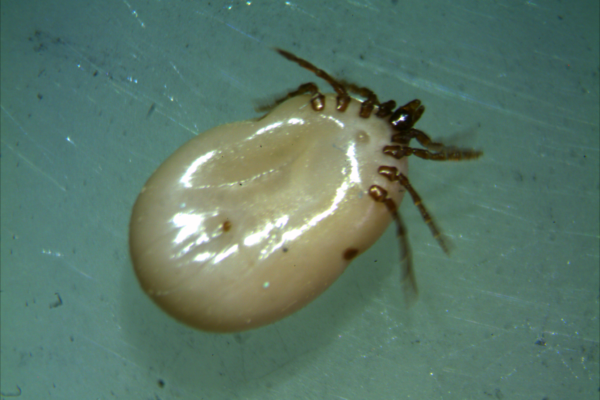
Tick Prevention Week: What you need to know for livestock What are ticks? Ticks are obligate parasites, meaning they require a host to complete their lifecycle. They are of great veterinary and medical importance as they are only inferior to mosquitos in their disease spreading potential. Tick species feed on livestock and other animals around the world and are a diverse and successful group. Tickborne agents can be mildly pathogenic, severely pathogenic and some can infect humans too. Additionally, ticks…
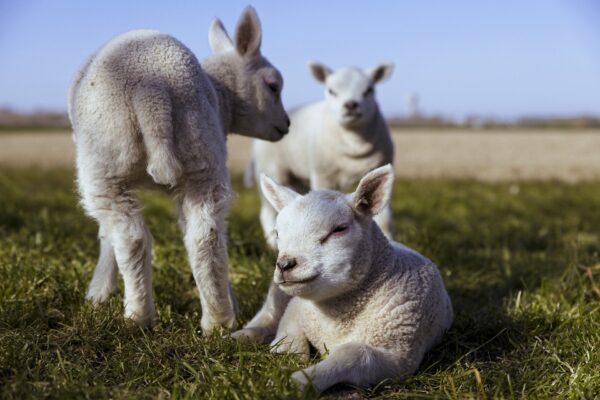
Spring Pasture: What to consider before letting your animals out to pasture With lambing season upon us, there are many things to consider when grazing animals on spring pasture. Many cattle herds and sheep flocks are housed indoors over the winter months for various reasons. Indoor housing during the winter months provides protection from the elements and cold conditions, as well as conservation of energy that would have been spent keeping warm – meaning the energy can be better put…
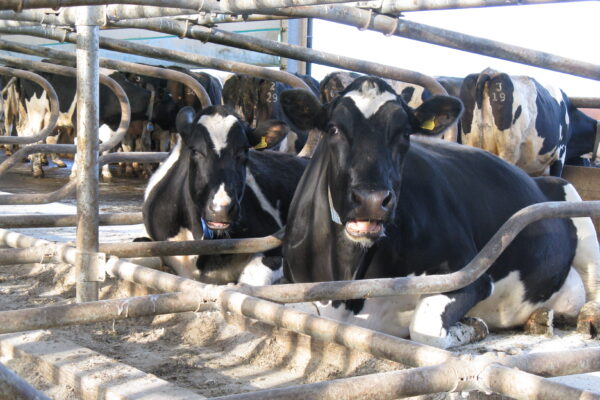
What is foot-and-mouth disease? In 2001 the UK went through an epidemic of foot-and-mouth disease (FMD) which led to the slaughter of 6.5 million animals and a cost of £8 billion.1 What have we learned from it, and what has changed to stop it from happening again? Foot-and-mouth disease is a viral disease of cloven-hoofed animals such as sheep, pigs and cattle. It is present all over the world and has had a large impact on agriculture for many years.…
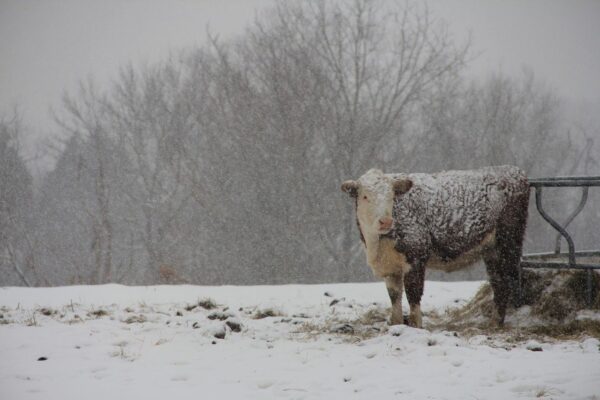
Lice infestations in Cattle and Sheep: Indoor Winter Housing What are lice? Lice are ectoparasites that live permanently on their host. They either feed off blood meals or on the skin, hair, fleece or any other debris on the skin. These are named sucking or chewing lice, respectively. Bovicola ovis and Bovicola bovis are chewing lice which are found on sheep and cattle, respectively. In the UK, three species of sucking lice commonly affect cattle — Linognathus vituli, Solenopotes capillatus, Haematopinus eurysternus…