Flystrike in Sheep
Flystrike is the invasion of animal tissue by the larvae of flies and can be dangerous to your livestock. The most common culprits are green, blue and blackbottle flies.
0
Read More


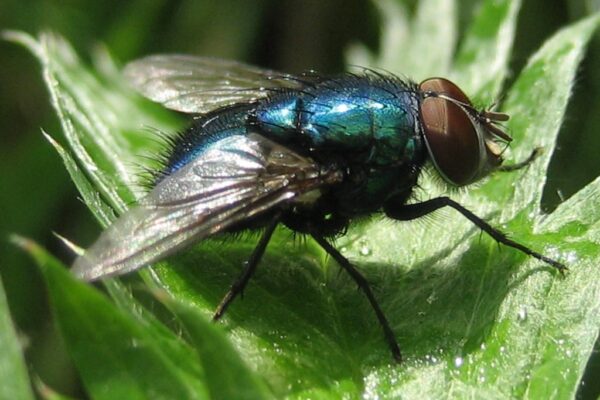
Flystrike is the invasion of animal tissue by the larvae of flies and can be dangerous to your livestock. The most common culprits are green, blue and blackbottle flies.
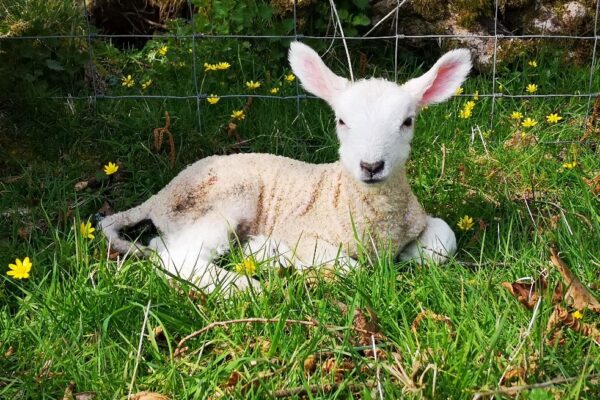
Watery Mouth Disease (WMD) can cause severe losses to lambs and is an important bacterial disease of the neonatal lamb. Read more here…
Lambing most commonly takes place during the Spring, peaking in March/April, although the lambing season does run from February to April and there are some farms that lamb in December and January. During the lambing period, pregnant ewes are monitored very closely day and night, so this can be one of the busiest times of the year for many farmers.
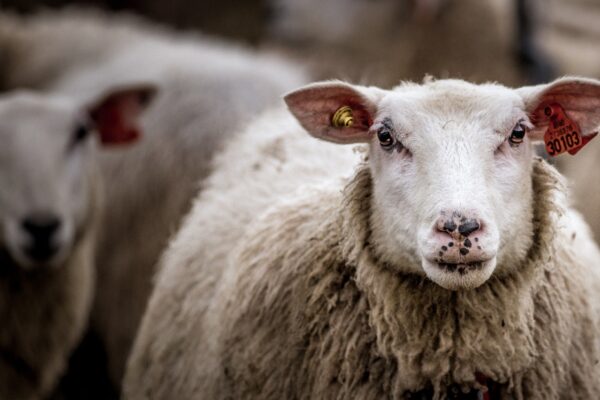
Parasite Spotlight: Haemonchus contortus, the Barber’s Pole Worm From endoparasites like liver fluke and Toxoplasma, to ectoparasites, like ticks and mites, controlling parasites is a routine part of livestock farming. While the vast majority of animals carry some parasites, some species are much more dangerous than others. Whilst a low level of infection might be asymptomatic, when there are lots of parasites in an animal’s system, it can cause problems. One of these worms is the Barber’s Pole Worm, Haemonchus contortus.…

Spring Grazing Deficits: Why Isn’t the Grass Growing? Across the UK, many farmers are reporting grazing deficits. This occurs when the demand for feed from pasture is greater than the amount of grass actually growing. When this happens, farmers must provide animals with extra feed to keep them healthy and maintain growth. With peak lambing season upon us, there are many extra mouths to feed in UK flocks. So why isn’t grass growing as much as expected? And what can…
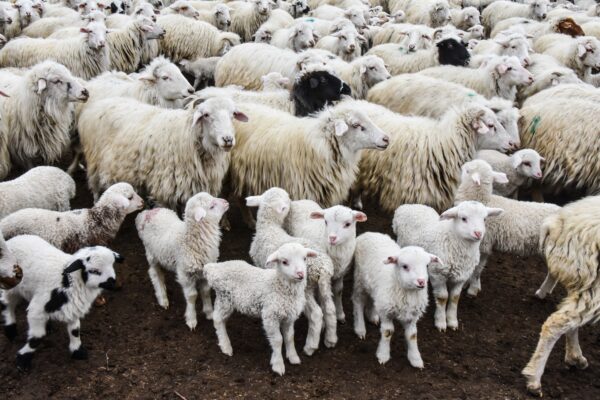
Schmallenberg Virus: What are the facts? Schmallenberg virus (SBV) was first encountered in October, 2011 in Northern Europe.1 The virus was initially isolated from a sample from the town of Schmallenberg, which is how it got its name. The virus is associated with clinical disease in ruminants, both domesticated and wild, and can cause a wide variety of clinical signs. It is transmitted by biting midges (Culicoides spp.), much like bluetongue virus, and can cause extreme problems in infected animals.…
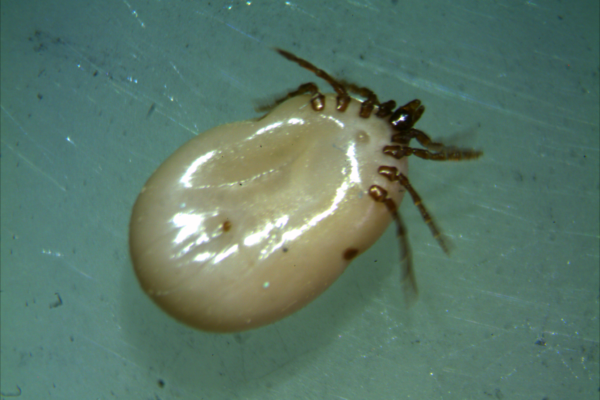
Tick Prevention Week: What you need to know for livestock What are ticks? Ticks are obligate parasites, meaning they require a host to complete their lifecycle. They are of great veterinary and medical importance as they are only inferior to mosquitos in their disease spreading potential. Tick species feed on livestock and other animals around the world and are a diverse and successful group. Tickborne agents can be mildly pathogenic, severely pathogenic and some can infect humans too. Additionally, ticks…
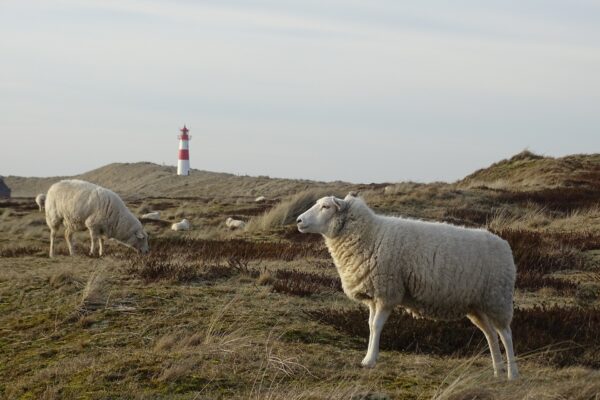
Listeriosis in sheep What is listeriosis? The bacterium Listeria monocytogenes causes listeriosis across the world. It is associated with serious disease in a wide variety of animals, including humans. Listeriosis is of major veterinary importance in cattle, sheep and goats. In the UK, it most commonly affects sheep. The gram-positive bacteria can survive in the environment for a long period of time. Grazing animals ingest the organism from pasture, with transmission of the disease via the faecal-oral route. Listeriosis is a zoonotic…
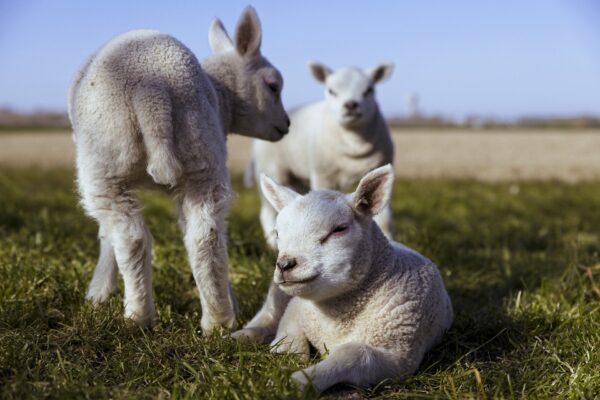
Spring Pasture: What to consider before letting your animals out to pasture With lambing season upon us, there are many things to consider when grazing animals on spring pasture. Many cattle herds and sheep flocks are housed indoors over the winter months for various reasons. Indoor housing during the winter months provides protection from the elements and cold conditions, as well as conservation of energy that would have been spent keeping warm – meaning the energy can be better put…
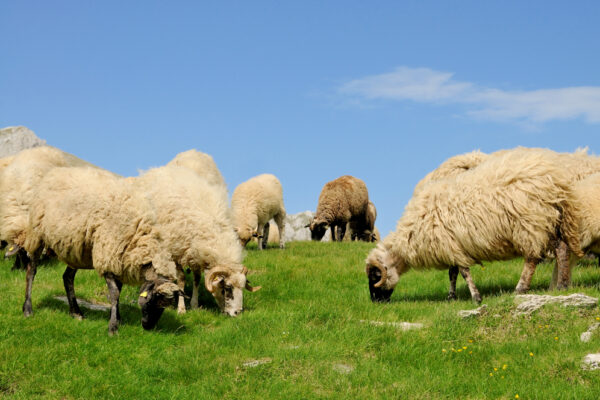
Nematodirosis in Lambs What is Nematodirus? Nematodirus spp. are thread-like roundworms that infect the small intestine and cause nematodirosis in lambs, goats and occasionally cattle. Nematodirus spp. infection largely affects lambs in springtime as adult sheep develop a natural resistance to the infection. Due to its unique development and life cycle, a phenomenon known as the spring flush can occur. Three species of Nematodirus spp. can affect sheep, with N. battus as the most pathogenic. Other species are N. filicollis…