Foot and Mouth Disease: The UK Outbreak of 2001

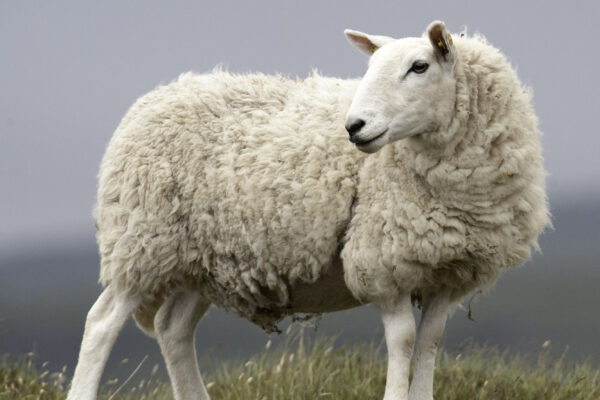
What is foot-and-mouth disease? In 2001 the UK went through an epidemic of foot-and-mouth disease (FMD) which led to the slaughter of 6.5 million animals and a cost of £8 billion.1 What have we learned from it, and what has changed to stop it from happening again? Foot-and-mouth disease is a viral disease of cloven-hoofed animals such as sheep, pigs and cattle. It is present all over the world and has had a large impact on agriculture for many years.…

0
Read More
cattle_cow_lice_winter

Lice infestations in Cattle and Sheep: Indoor Winter Housing

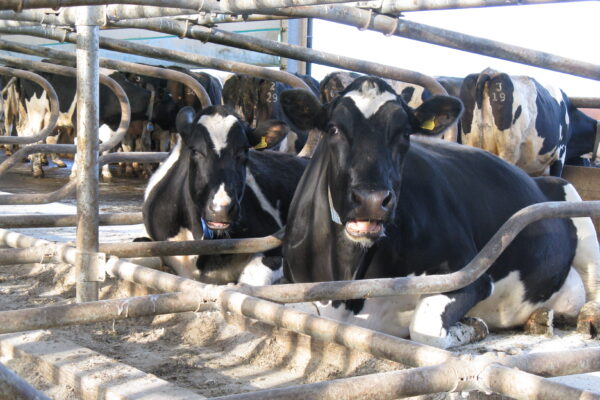
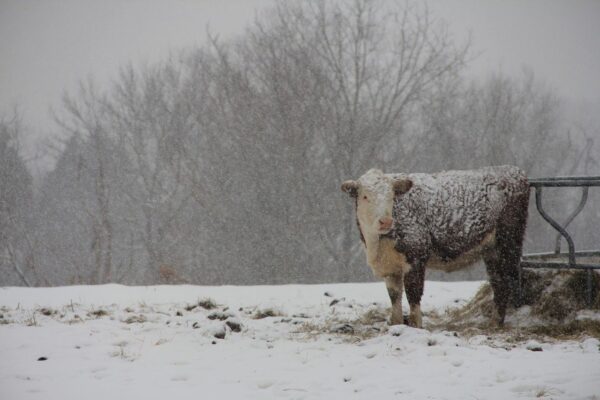
Lice infestations in Cattle and Sheep: Indoor Winter Housing What are lice? Lice are ectoparasites that live permanently on their host. They either feed off blood meals or on the skin, hair, fleece or any other debris on the skin.  These are named sucking or chewing lice, respectively. Bovicola ovis and Bovicola bovis are chewing lice which are found on sheep and cattle, respectively. In the UK, three species of sucking lice commonly affect cattle — Linognathus vituli, Solenopotes capillatus, Haematopinus eurysternus…

0
Read More

Sheep Scab and Psoroptes ovis

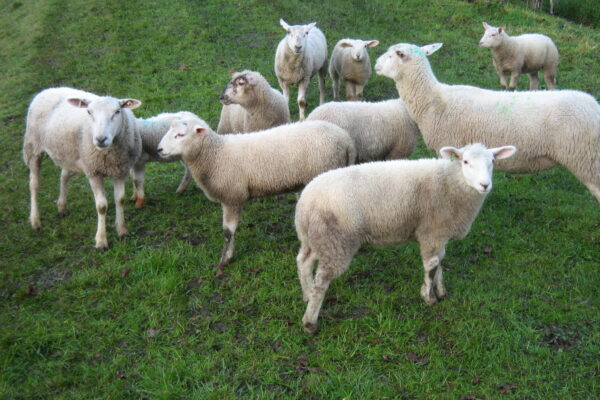
What is Sheep Scab? Sheep scab is a endemic disease caused by Psoroptes ovis, more commonly known as scab mites. Scab mites defecate on the skin which causes an allergic reaction. With a short life cycle of only 14 days, scab mite populations can increase fast and can infect an entire flock. Even more so when kept indoors and in close proximity. The mite can survive for up to 17 days off the sheep, but needs a sheep to complete its…

0
Read More

Bluetongue in Sheep and Cattle

Bluetongue in Sheep and Cattle What is bluetongue virus? Bluetongue virus (BTV) is a double-stranded RNA virus that causes bluetongue. This is an insect-borne, viral disease which mainly affects sheep and, less frequently, cattle. Bluetongue is a notifiable disease in the UK. Notifiable diseases are any diseases required by law to be reported to government authorities. They must be reported immediately to the Divisional Veterinary Manager at the local Animal Health Office. There are 26 serotypes for this virus. Animals…

0
Read More
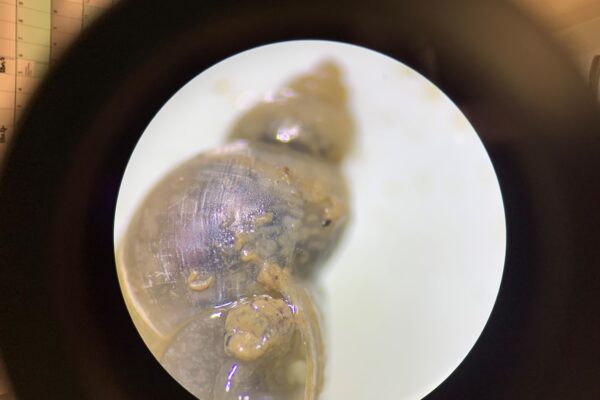
Infected Liver fluke snail

Parasite Watch Autumn Edition: Parasites to Watch Out For in Your Ruminants

Parasite Watch Autumn Edition: Parasites to Watch Out For in Your Ruminants This week we’re going to focus on parasites which cause two specific diseases in ruminates. These are parasitic gastroenteritis or PGE, caused by roundworms, and liver fluke, caused (unsurprisingly) by liver fluke flatworms. What is PGE? Parasitic gastroenteritis is one of the major contributors of reduced productivity in ruminants. An overburden of parasitic nematodes (roundworms) causes the infection in cattle, sheep and goats. These parasites reside in the…

0
Read More

Anthelmintics: When Should I Use a Wormer?

Anthelmintics: When Should I Use a Wormer? What are wormers? An anthelmintic, or wormer, is a drug which treats infections of parasitic worms. These could be nematodes — roundworms like Ascaradia galli in chickens, cestodes — tapeworms like Moniezia expansa in sheep, or trematodes — flukes like Calicophoron daubneyi in various livestock species. Anthelmintics are widely used across the globe, but misuse is leading to the growing issue of resistance. How do I know which wormer to use? Firstly, how do you know your animals need…

0
Read More

What is Blowfly Strike in Sheep?

What is Blowfly Strike in Sheep? Blowfly strike is a common annual battle that sheep farmers must face, particularly during the summer months. When the weather is warm and wet, it creates optimum conditions for flies and maggots to thrive. What causes blowfly strike? Blowfly strike is caused by the larvae of dipteran flies. They invade the skin of living sheep, causing lesions that can lead to tissue and muscle damage. The primary flies (green bottles) strike first, laying their…

0
Read More