Cystic Ovarian Disease

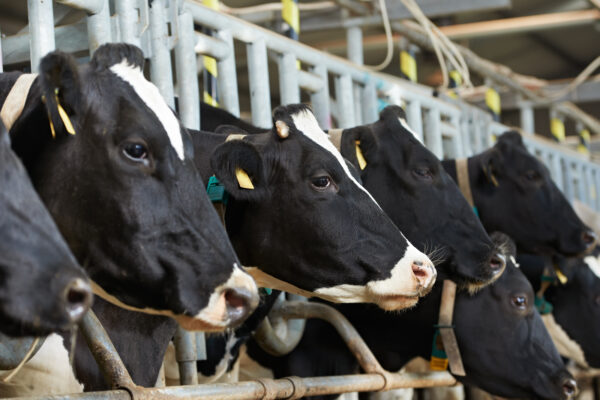
Infertility in Cows: Cystic Ovarian Disease What is Cystic Ovarian Disease in cattle? Cystic ovarian disease (COD) is a major problem associated with poor fertility in dairy cattle. Reportedly, from 6 to 19% of dairy cows develop cysts. It is possible, however, that the incidence of the disease is as high as 60%, as many heifers recover without intervention1, meaning they may go undetected. It is characterised by the presence of at least one enlarged anovulatory follicle on one or…

0
Read More
Bluetongue in Sheep and Cattle

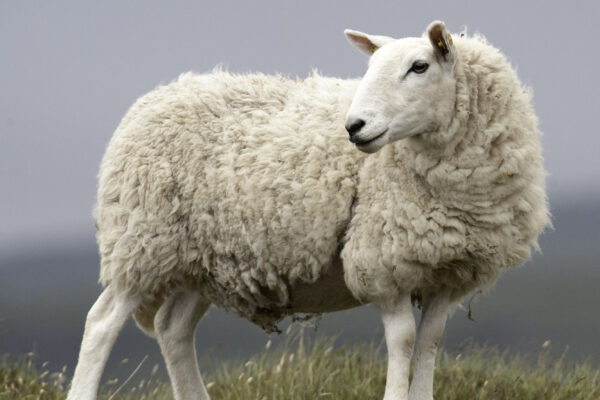
Bluetongue in Sheep and Cattle What is bluetongue virus? Bluetongue virus (BTV) is a double-stranded RNA virus that causes bluetongue. This is an insect-borne, viral disease which mainly affects sheep and, less frequently, cattle. Bluetongue is a notifiable disease in the UK. Notifiable diseases are any diseases required by law to be reported to government authorities. They must be reported immediately to the Divisional Veterinary Manager at the local Animal Health Office. There are 26 serotypes for this virus. Animals…

0
Read More

Paratuberculosis (Johne’s Disease) in Cattle

Paratuberculosis (Johne’s disease) in Cattle What is Johne’s disease? Johne’s disease is an infectious disease in cattle and other ruminants. It is caused by the bacterium Mycobacterium avium subspecies paratuberculosis, commonly known as MAP. It is closely related to the organism that causes tuberculosis and can survive on pasture for many months. The infection is very contagious and young animals are more susceptible to the disease than adults. This disease damages the intestines and results in persistent diarrhoea, weight loss…

0
Read More

Calf Diseases: The Importance of Colostrum

Calf Diseases: The Importance of Colostrum In terms of survival, the first few weeks for a calf are particularly important. As their bodies are still developing, they are not yet primed to effectively fight illness. The colostrum they receive is a vital step in protecting them from disease. It is important for livestock farmers to be aware of these three common calf diseases and also to know what steps can be taken to prevent and treat them. What exactly puts…

0
Read More
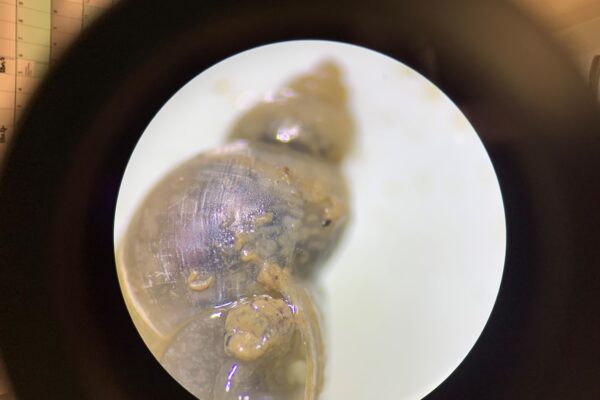
Infected Liver fluke snail

Parasite Watch Autumn Edition: Parasites to Watch Out For in Your Ruminants

Parasite Watch Autumn Edition: Parasites to Watch Out For in Your Ruminants This week we’re going to focus on parasites which cause two specific diseases in ruminates. These are parasitic gastroenteritis or PGE, caused by roundworms, and liver fluke, caused (unsurprisingly) by liver fluke flatworms. What is PGE? Parasitic gastroenteritis is one of the major contributors of reduced productivity in ruminants. An overburden of parasitic nematodes (roundworms) causes the infection in cattle, sheep and goats. These parasites reside in the…

0
Read More

Anthelmintics: When Should I Use a Wormer?

Anthelmintics: When Should I Use a Wormer? What are wormers? An anthelmintic, or wormer, is a drug which treats infections of parasitic worms. These could be nematodes — roundworms like Ascaradia galli in chickens, cestodes — tapeworms like Moniezia expansa in sheep, or trematodes — flukes like Calicophoron daubneyi in various livestock species. Anthelmintics are widely used across the globe, but misuse is leading to the growing issue of resistance. How do I know which wormer to use? Firstly, how do you know your animals need…

0
Read More

Heat Detection: Is Your Heat Detection Method Ineffective?

Heat Detection: Is Your Heat Detection Method Ineffective? Why do we need heat detection? Heat detection is an essential component of the dairy industry. Missed or mistimed heats lead to increased calving periods and a resulting financial burden. Similarly, wasted Artificial Insemination (AI) and loss of pregnancies caused by mistiming of AI adds to this financial burden.  There is a plethora of heat detection aids on the market, ranging from simple mount detectors to fully automated robotic in-line systems. These…

0
Read More