The Principles of Rearing Laying Hens – Part 2
Hens past 16 weeks of age are now at the critical egg laying phase of their lives. Read the next part on how to care for layers here.
0
Read More



Hens past 16 weeks of age are now at the critical egg laying phase of their lives. Read the next part on how to care for layers here.
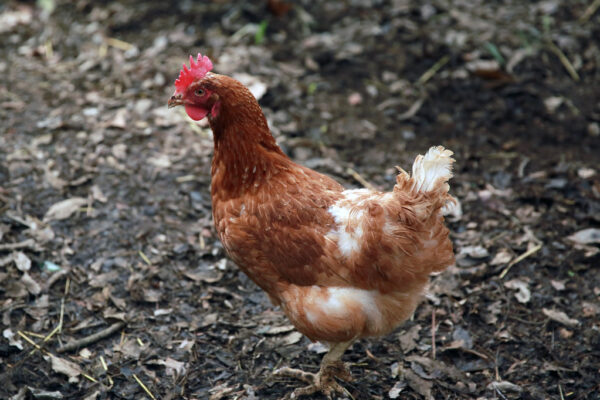
There are many factors that contribute to the successful rearing of laying hens. Different life stages of the birds require different types of care. This article gives a guide as to the main principles of rearing hens in a small holding setting.

Recently our parasitology laboratory at Ridgeway Research was tasked with sourcing a field strain of Ancylostoma caninum (A.caninum) L3 infective larvae, which is a zoonotic canine intestinal hookworm. These parasites are difficult to distinguish – find out how here!

Previously we’ve touched on the increasing threat of both anthelmintic and antibiotic resistance. Across the world, anti-microbial chemicals are an absolutely vital part of life, from medical and veterinary care, to agriculture and pest management. However, the more we use these chemicals, the more likely their targets are to develop resistance.
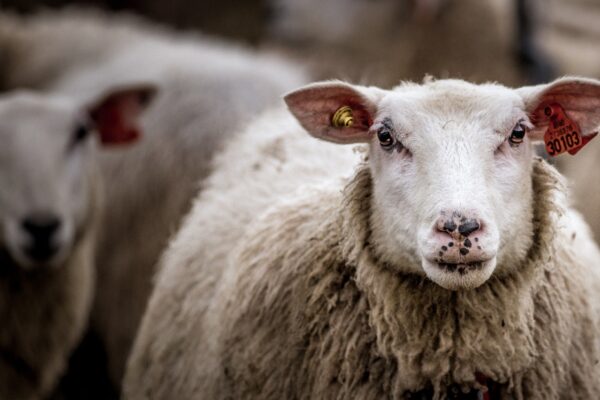
Parasite Spotlight: Haemonchus contortus, the Barber’s Pole Worm From endoparasites like liver fluke and Toxoplasma, to ectoparasites, like ticks and mites, controlling parasites is a routine part of livestock farming. While the vast majority of animals carry some parasites, some species are much more dangerous than others. Whilst a low level of infection might be asymptomatic, when there are lots of parasites in an animal’s system, it can cause problems. One of these worms is the Barber’s Pole Worm, Haemonchus contortus.…

International Conference of the World Association of Veterinary Parasitology 2021 The World Association for the Advancement of Veterinary Parasitology (WAAVP) holds an international conference every two years. There, scientists from around the world present the most recent developments in veterinary parasitology. However, with the trials presented by COVID-19, this year’s conference will be fully virtual. What is the WAAVP? The WAAVP is a non-profit organisation of scientists who study diverse aspects of veterinary parasitology. It is the largest such organisation…

Fleas: A Worldwide Pest When we think of fleas, we usually think of pets. Cats and dogs can regularly be seen scratching because of these tiny parasites, and preventing or checking for them is a regular part of pet care. But fleas can bother livestock animals too. With over 2,500 species, fleas are diverse and worldwide pests. On top of that, they can carry a host of diseases. Historically, rat fleas were responsible for the spread of bubonic plague across…

Biosecurity on the Farm: The Basics What is biosecurity and why does it matter? With the COVID-19 pandemic first and foremost in our minds, disease spread is currently a hot topic. Managing the risks of disease and preventing transfer, however, has been part of agricultural life for many decades. Simply put, biosecurity is the prevention of disease or contamination through practical measures. These can be anything from making sure you always wash your hands properly, to using foot dips and…
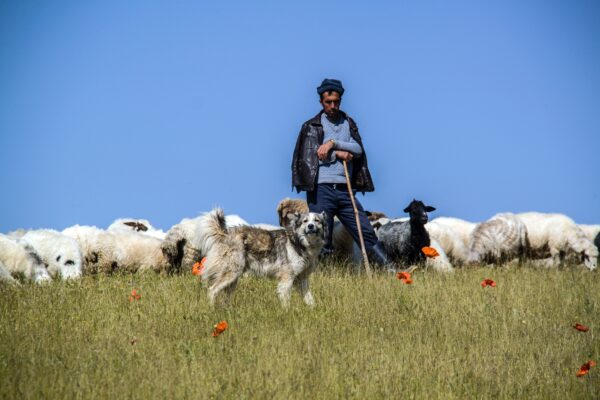
Dogs and Livestock: The Problem of Parasites Dogs have been part of the agricultural community for thousands of years. While the exact date of domestication is under a lot of academic debate, common consensus states that dogs have been our companions for at least 20,000 years. From herding livestock to guarding flocks, dogs are still vital members of agricultural communities. On the other hand, having dogs around increases the risk of some parasite infections. So what are the main parasites…
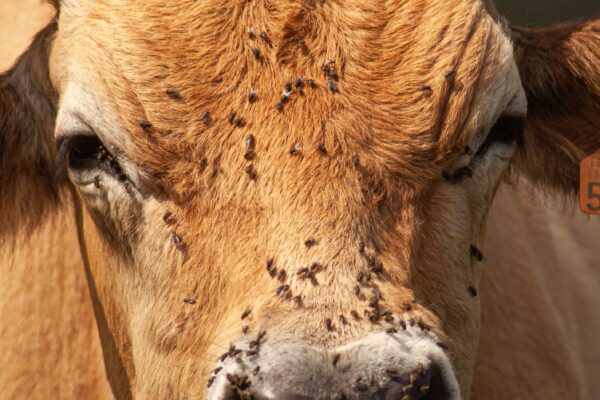
Set a Wasp to Catch a Fly: Nuisance Flies and Biological Control With spring firmly settled in, and the grass finally starting to grow, fly season is fast approaching. While flies and midges are expected when dealing with livestock, too many can cause significant problems. Here we take a look at a few of the management option available, from chemical treatments to biological control. The problems flies cause In the UK, the main flies which bother livestock are house, stable,…