Parasites

Grazing deficits are common as this year's spring is too dry and cold for optimal grass growth.

Spring Grazing Deficits: Why Isn’t the Grass Growing?

Spring Grazing Deficits: Why Isn’t the Grass Growing? Across the UK, many farmers are reporting grazing deficits. This occurs when the demand for feed from pasture is greater than the amount of grass actually growing. When this happens, farmers must provide animals with extra feed to keep them healthy and maintain growth. With peak lambing season upon us, there are many extra mouths to feed in UK flocks. So why isn’t grass growing as much as expected? And what can…

0
Read More

To Worm or Not to Worm: Anthelmintic Resistance in Dogs

To Worm or Not to Worm: Anthelmintic Resistance in Dogs This month is National Pet Month and across the UK people are celebrating the support, love, and affection we receive from these wonderful animals. We all want to keep our pets healthy and regular worming treatment is considered part of that. But is it really the best option? Can repeated treatment of worms lead to wide-spread anthelmintic resistance in dogs as it has in livestock? Which worms can dogs catch?…

0
Read More
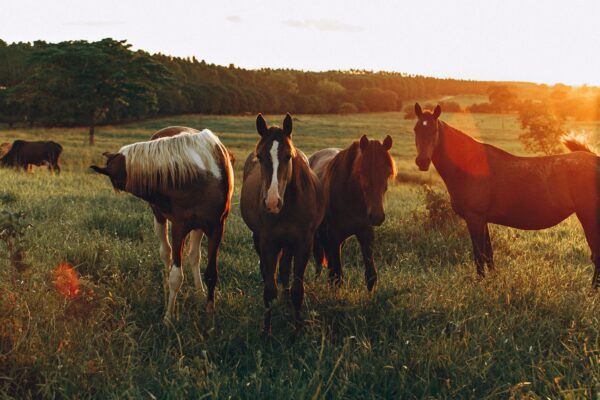
Overstocking horses in a field increases risk of parasites

Parasites in Spring: 4 Equine Parasites to Watch Out For

4 Common Equine Parasites Your Horses Might Have Internal parasites are a common in the lives of most grazing animals. They are often consumed along with grass, feed or water, and then make their way into various internal organs. While many parasites can infect horses, there are only a few that cause, or can cause, significant health problems. Many of these can be identified though faecal egg counts (FEC). 1. Large redworms Large redworms, or large strongyles are some of…

0
Read More
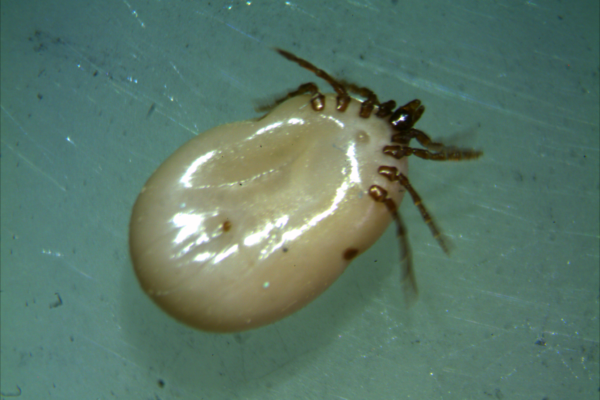
Many different species of tick can feed on animals.

Tick Prevention Week: Companion Animals

Tick Prevention Week: What you need to know for companion animals What are ticks? Ticks are very commonly found on companion animals, but do you as an owner know how to prevent this? What are the consequences of a tick bite and what do you do if man’s best friend has a tick on him? Ticks are well known vectors of disease, and can transmit disease from animal to animal, and from animals to humans. It is not ticks themselves…

0
Read More

Tick Prevention Week: Livestock

Tick Prevention Week: What you need to know for livestock What are ticks? Ticks are obligate parasites, meaning they require a host to complete their lifecycle. They are of great veterinary and medical importance as they are only inferior to mosquitos in their disease spreading potential. Tick species feed on livestock and other animals around the world and are a diverse and successful group. Tickborne agents can be mildly pathogenic, severely pathogenic and some can infect humans too. Additionally, ticks…

0
Read More

Toxoplasmosis

Toxoplasmosis What is toxoplasmosis? Toxoplasmosis is an infection caused by the protozoan parasite Toxoplasma gondii. While symptoms in humans are usually mild, if a pregnant woman becomes infected, it can have severe implications for both her and her baby. Infections in livestock animals such as sheep can cause abortion of lambs and lower birth weights. Infected cows , however, tend to be more resistant to the disease.1 What is the lifecycle of Toxoplasma gondii? The only definitive hosts of Toxoplasma,…

0
Read More

Avoiding Lambing While Pregnant

Why you should avoid lambing if you’re pregnant Lambing season is upon us and the lovely sight of new-born lambs brings a welcome spring picture after the long winter. However, lambing can pose quite a significant risk to pregnant women. There are multiple bacteria, parasites and viruses that are present in bodily fluids that can potentially cause problems in humans. This is also true for recently born lambs, ewes that have recently given birth and any contaminated material such as…

0
Read More

Spring Pasture

Spring Pasture: What to consider before letting your animals out to pasture With lambing season upon us, there are many things to consider when grazing animals on spring pasture. Many cattle herds and sheep flocks are housed indoors over the winter months for various reasons. Indoor housing during the winter months provides protection from the elements and cold conditions, as well as conservation of energy that would have been spent keeping warm – meaning the energy can be better put…

0
Read More

FEC: What is a faecal egg count and why should I use it?

What is a FEC? Faecal Egg Counts, also known as FEC, WEC or EPG count assesses the worm burden within an animal. A FEC does what it says on the tin – a technician will look at the faeces and literally count the number of eggs in a set amount of the faeces. This is then taken as a representative for the burden of the animal. Results are typically presented in EPG or eggs per gram, allowing you to compare…

0
Read More

Nematodirosis in Lambs

Nematodirosis in Lambs What is Nematodirus? Nematodirus spp. are thread-like roundworms that infect the small intestine and cause nematodirosis in lambs, goats and occasionally cattle. Nematodirus spp. infection largely affects lambs in springtime as adult sheep develop a natural resistance to the infection. Due to its unique development and life cycle, a phenomenon known as the spring flush can occur. Three species of Nematodirus spp. can affect sheep, with N. battus as the most pathogenic. Other species are N. filicollis…

0
Read More