Farm Animals

Necrotic Enteritis: A Devastating Disease Caused by C. perfringens

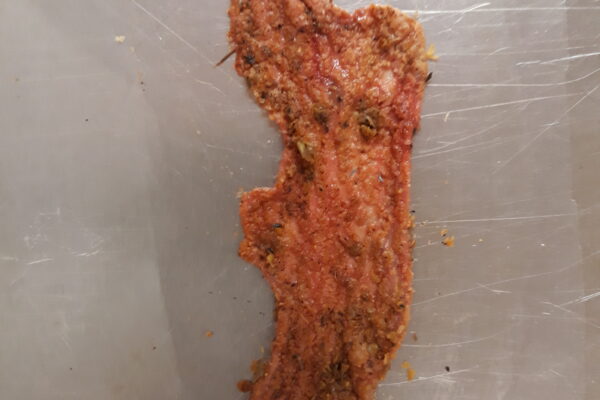
Necrotic Enteritis: A Devastating Disease Caused by C. perfringens What is Necrotic Enteritis? The bacterium Clostridium perfringens causes necrotic enteritis (NE). It is a type of gastrointestinal condition called enterotoxemia. NE has a single causative agent and thus is a much simpler disease than bacterial enteritis, which it is commonly confused with. Although many of the contributory factors are the same the diseases are quite different and necrotic enteritis is less complex than its bacterial counterpart. Clostridium perfringens C. perfringens can infect…

0
Read More
Bluetongue in Sheep and Cattle

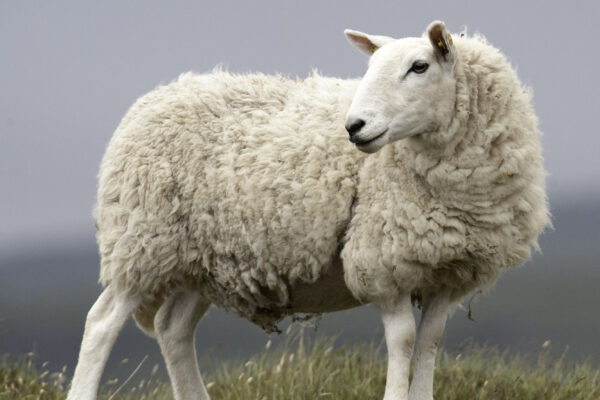
Bluetongue in Sheep and Cattle What is bluetongue virus? Bluetongue virus (BTV) is a double-stranded RNA virus that causes bluetongue. This is an insect-borne, viral disease which mainly affects sheep and, less frequently, cattle. Bluetongue is a notifiable disease in the UK. Notifiable diseases are any diseases required by law to be reported to government authorities. They must be reported immediately to the Divisional Veterinary Manager at the local Animal Health Office. There are 26 serotypes for this virus. Animals…

0
Read More

Paratuberculosis (Johne’s Disease) in Cattle

Paratuberculosis (Johne’s disease) in Cattle What is Johne’s disease? Johne’s disease is an infectious disease in cattle and other ruminants. It is caused by the bacterium Mycobacterium avium subspecies paratuberculosis, commonly known as MAP. It is closely related to the organism that causes tuberculosis and can survive on pasture for many months. The infection is very contagious and young animals are more susceptible to the disease than adults. This disease damages the intestines and results in persistent diarrhoea, weight loss…

0
Read More

Bacterial Enteritis in poultry

Bacterial Enteritis in Poultry What is Bacterial Enteritis? Bacterial enteritis (BE), also commonly referred to as Dysbacteriosis, Dysbiosis and Small Intestinal Bacterial Overgrowth (SIBO) is a disease observed in poultry which entails extreme inflammation and pathology in the gastrointestinal tract. Due to similar pathologies in the intestine, bacterial enteritis can commonly be confused with coccidiosis and necrotic enteritis, which are two entirely different diseases (see here for our article on coccidiosis). Misdiagnosis can lead to use of antibiotics or anticoccidials…

0
Read More

Calf Diseases: The Importance of Colostrum

Calf Diseases: The Importance of Colostrum In terms of survival, the first few weeks for a calf are particularly important. As their bodies are still developing, they are not yet primed to effectively fight illness. The colostrum they receive is a vital step in protecting them from disease. It is important for livestock farmers to be aware of these three common calf diseases and also to know what steps can be taken to prevent and treat them. What exactly puts…

0
Read More
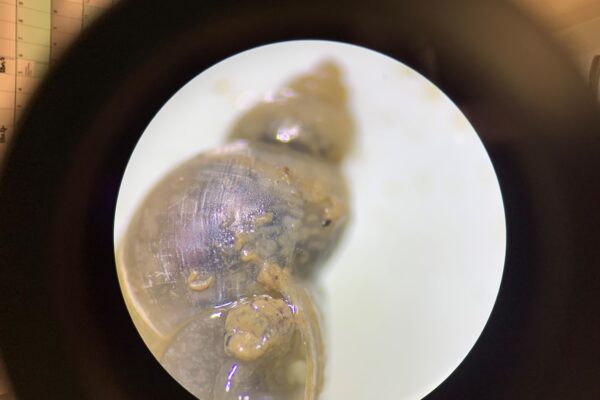
Infected Liver fluke snail

Parasite Watch Autumn Edition: Parasites to Watch Out For in Your Ruminants

Parasite Watch Autumn Edition: Parasites to Watch Out For in Your Ruminants This week we’re going to focus on parasites which cause two specific diseases in ruminates. These are parasitic gastroenteritis or PGE, caused by roundworms, and liver fluke, caused (unsurprisingly) by liver fluke flatworms. What is PGE? Parasitic gastroenteritis is one of the major contributors of reduced productivity in ruminants. An overburden of parasitic nematodes (roundworms) causes the infection in cattle, sheep and goats. These parasites reside in the…

0
Read More

Anthelmintics: When Should I Use a Wormer?

Anthelmintics: When Should I Use a Wormer? What are wormers? An anthelmintic, or wormer, is a drug which treats infections of parasitic worms. These could be nematodes — roundworms like Ascaradia galli in chickens, cestodes — tapeworms like Moniezia expansa in sheep, or trematodes — flukes like Calicophoron daubneyi in various livestock species. Anthelmintics are widely used across the globe, but misuse is leading to the growing issue of resistance. How do I know which wormer to use? Firstly, how do you know your animals need…

0
Read More

Moving Towards Sustainable Global Use of Veterinary Antibiotics

Moving Towards Sustainable Global Use of Veterinary Antibiotics Misuse of antibiotics Penicillin has saved millions of lives since its discovery in 1928 by the famous Scottish scientist Alexander Fleming. Since then, scientists have developed antibiotics further and now there are hundreds of different types. Across the world, these drugs treat bacterial infections from acne to meningitis. Similarly, antibiotics have quickly become vital in veterinary care. These days, the lives of millions of animals are improved thanks to these vital drugs.…

0
Read More

What is Blowfly Strike in Sheep?

What is Blowfly Strike in Sheep? Blowfly strike is a common annual battle that sheep farmers must face, particularly during the summer months. When the weather is warm and wet, it creates optimum conditions for flies and maggots to thrive. What causes blowfly strike? Blowfly strike is caused by the larvae of dipteran flies. They invade the skin of living sheep, causing lesions that can lead to tissue and muscle damage. The primary flies (green bottles) strike first, laying their…

0
Read More

Quality Monitoring of Liver Fluke Metacercariae

Quality Monitoring of Liver Fluke Metacercariae At our laboratory part of the work we do is to maintain several colonies of mud snails. These are intermediate hosts in the life cycle of the liver fluke, Fasciola hepatica. After eggs pass out of infected sheep in faecal matter, the eggs remain dormant on pasture until conditions are optimal. When weather conditions are warm and wet, the eggs hatch into the free-living stage. These miracidium actively seek out the snail hosts and subsequently…

0
Read More