Farm Animals

Dogs and Livestock: The Problem of Parasites

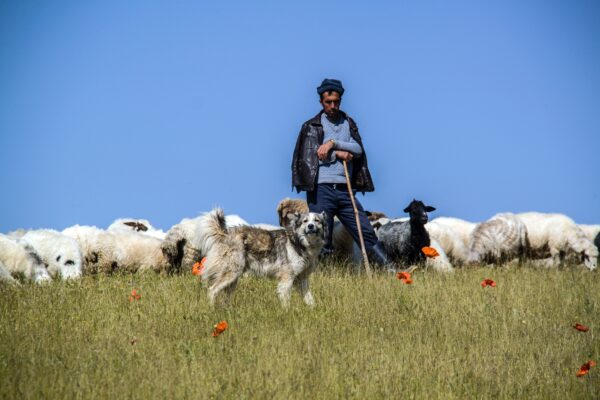
Dogs and Livestock: The Problem of Parasites Dogs have been part of the agricultural community for thousands of years. While the exact date of domestication is under a lot of academic debate, common consensus states that dogs have been our companions for at least 20,000 years. From herding livestock to guarding flocks, dogs are still vital members of agricultural communities. On the other hand, having dogs around increases the risk of some parasite infections. So what are the main parasites…

0
Read More
Set a Wasp to Catch a Fly: Nuisance Flies and Biological Control

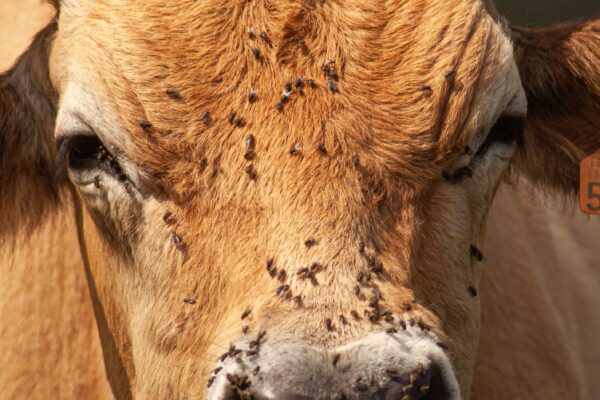
Set a Wasp to Catch a Fly: Nuisance Flies and Biological Control With spring firmly settled in, and the grass finally starting to grow, fly season is fast approaching. While flies and midges are expected when dealing with livestock, too many can cause significant problems. Here we take a look at a few of the management option available, from chemical treatments to biological control. The problems flies cause In the UK, the main flies which bother livestock are house, stable,…

0
Read More

Great British Beef Week: Sustainability in the Beef Industry

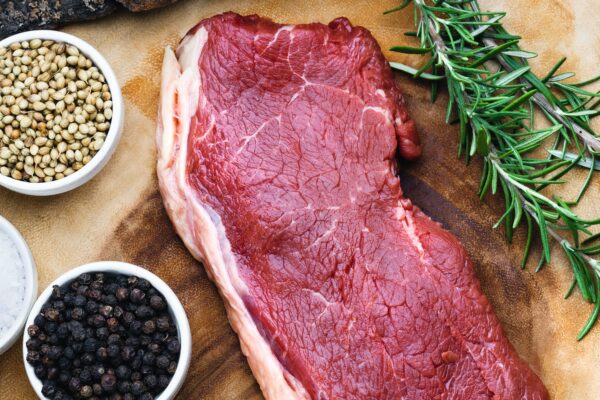
Great British Beef Week: Sustainability in the Beef Industry This week is Great British Beef Week. Originally started by the Ladies in Beef, a grassroots agricultural collective, this year marks the 11th celebration of British beef. While last year’s celebrations were greatly curtailed by the COVID-19 pandemic, this year, the focus is on sustainability in the beef industry. What is the problem? When assessing sustainability in an agricultural industry, there are three main areas that are usually focussed on. These…

0
Read More

What is a Notifiable Disease in Animal Health?

What is a Notifiable Disease in Animal Health? In some of our recent articles, we’ve discussed various notifiable diseases like bluetongue, foot-and-mouth disease, avian influenza, and sheep scab. But what exactly is a notifiable disease and what do you have to do if you suspect one? What is a notifiable disease? Simply put, a notifiable disease is disease which, if suspected or confirmed, by law must be reported to an appropriate authority. In the UK, this is the Animal and…

0
Read More
Grazing deficits are common as this year's spring is too dry and cold for optimal grass growth.

Spring Grazing Deficits: Why Isn’t the Grass Growing?

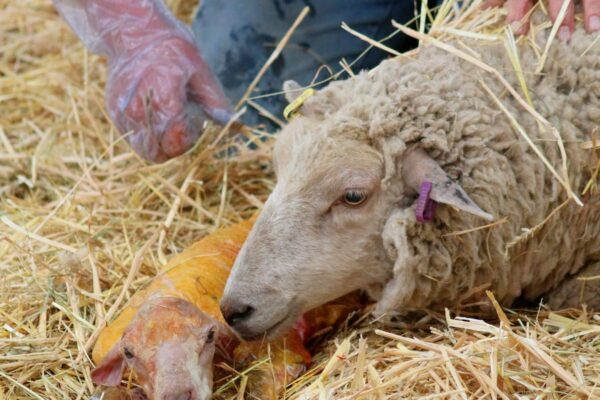
Spring Grazing Deficits: Why Isn’t the Grass Growing? Across the UK, many farmers are reporting grazing deficits. This occurs when the demand for feed from pasture is greater than the amount of grass actually growing. When this happens, farmers must provide animals with extra feed to keep them healthy and maintain growth. With peak lambing season upon us, there are many extra mouths to feed in UK flocks. So why isn’t grass growing as much as expected? And what can…

0
Read More
regenerative agriculture

Regenerative Agriculture: A Hopeful Outlook

Regenerative Agriculture: A Hopeful Outlook Livestock farming is both essential for the survival of our species, and yet also detrimental to the planet we live on. Raising animals for meat and dairy produces around 14.5% of all anthropogenic greenhouse gas emissions. Crop and animal monocultures damage biodiversity. Primary forest is cleared every day for grazing land and for more crops. Climate change and environmental degradation paint a bleak picture of our future. But what if there was a way that…

0
Read More
Some flocks experienced lamb loss of up to 60% in the first Schmallenberg outbreak.

Schmallenberg Virus: What are the facts?

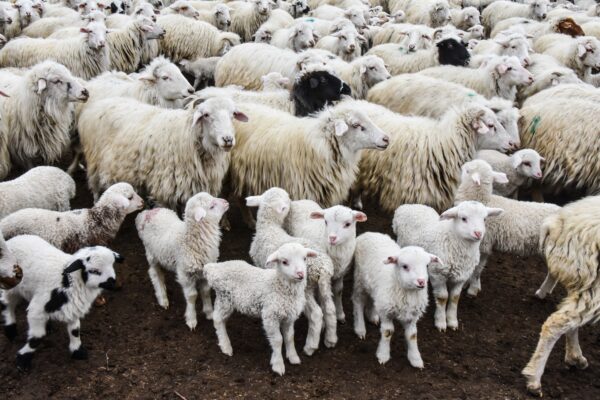
Schmallenberg Virus: What are the facts? Schmallenberg virus (SBV) was first encountered in October, 2011 in Northern Europe.1 The virus was initially isolated from a sample from the town of Schmallenberg, which is how it got its name. The virus is associated with clinical disease in ruminants, both domesticated and wild, and can cause a wide variety of clinical signs. It is transmitted by biting midges (Culicoides spp.), much like bluetongue virus, and can cause extreme problems in infected animals.…

0
Read More
Overstocking horses in a field increases risk of parasites

Parasites in Spring: 4 Equine Parasites to Watch Out For

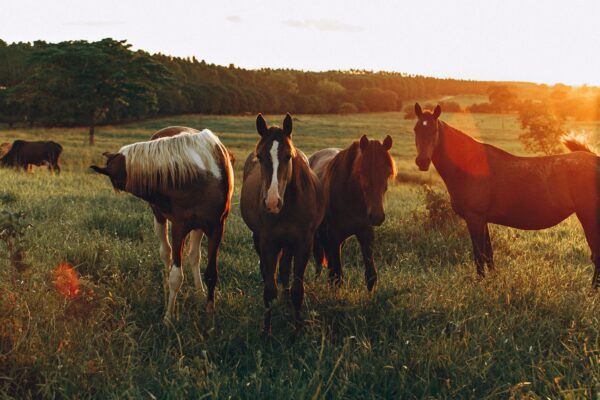
4 Common Equine Parasites Your Horses Might Have Internal parasites are a common in the lives of most grazing animals. They are often consumed along with grass, feed or water, and then make their way into various internal organs. While many parasites can infect horses, there are only a few that cause, or can cause, significant health problems. Many of these can be identified though faecal egg counts (FEC). 1. Large redworms Large redworms, or large strongyles are some of…

0
Read More

Tick Prevention Week: Livestock

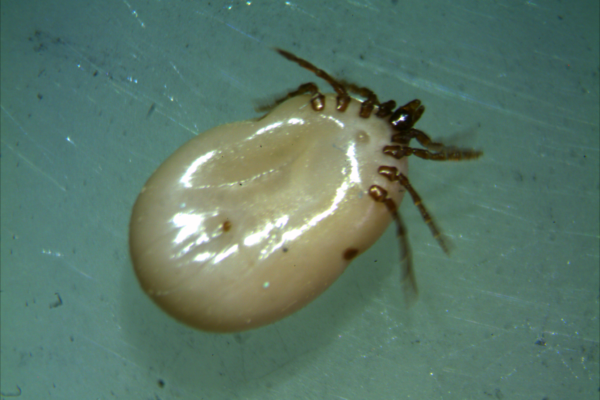
Tick Prevention Week: What you need to know for livestock What are ticks? Ticks are obligate parasites, meaning they require a host to complete their lifecycle. They are of great veterinary and medical importance as they are only inferior to mosquitos in their disease spreading potential. Tick species feed on livestock and other animals around the world and are a diverse and successful group. Tickborne agents can be mildly pathogenic, severely pathogenic and some can infect humans too. Additionally, ticks…

0
Read More

Listeriosis in sheep

Listeriosis in sheep What is listeriosis? The bacterium Listeria monocytogenes causes listeriosis across the world. It is associated with serious disease in a wide variety of animals, including humans. Listeriosis is of major veterinary importance in cattle, sheep and goats. In the UK, it most commonly affects sheep.  The gram-positive bacteria can survive in the environment for a long period of time. Grazing animals ingest the organism from pasture, with transmission of the disease via the faecal-oral route.  Listeriosis is a zoonotic…

0
Read More