Georgie Atton

Bird Flu: How to spot Avian Influenza and what your next steps should be

Bird Flu: How to spot Avian Influenza and what your next steps should be In our last article, we explained what bird flu is, the types of strains,  categorisation of low and high pathogenicity and reports of recent outbreaks within the UK. In this article, we will look at recognising signs of bird flu, how to then report it to DEFRA, increased biosecurity measures you should be taking whilst the UK is an Avian Influenza Prevention Zone, and what to do…

0
Read More
Bird Flu: What is Avian Influenza and is it present in the UK?

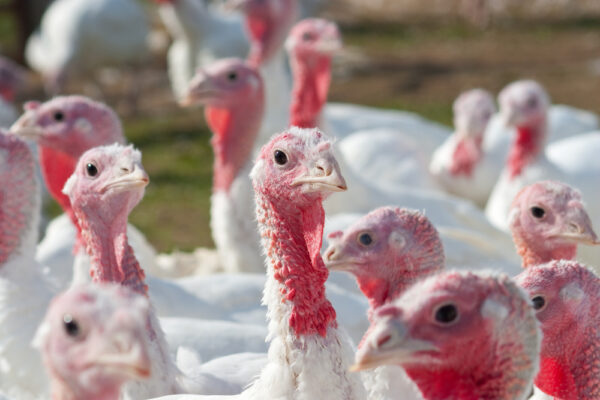
Bird Flu: What is Avian Influenza and is it present in the UK? What is it? Bird flu is a disease that most birds can catch. It is caused by the Avian Influenza virus and occurs naturally in aquatic birds such as wild ducks, geese, swans and gulls. It can also infect domestic poultry and other animal species too. Occasionally, it has also been known to infect humans. For instance, the strain H5N1 continues to infect humans sporadically. It is…

0
Read More

Necrotic Enteritis: A Devastating Disease Caused by C. perfringens

Necrotic Enteritis: A Devastating Disease Caused by C. perfringens What is Necrotic Enteritis? The bacterium Clostridium perfringens causes necrotic enteritis (NE). It is a type of gastrointestinal condition called enterotoxemia. NE has a single causative agent and thus is a much simpler disease than bacterial enteritis, which it is commonly confused with. Although many of the contributory factors are the same the diseases are quite different and necrotic enteritis is less complex than its bacterial counterpart. Clostridium perfringens C. perfringens can infect…

0
Read More

Lockdown #2: RRL remains open

Lockdown #2: RRL remains open As England readies to enter a second lockdown on thursday, RRL is remaining positive that business should be mostly unaffected. Due to our location on the Welsh border, many staff have been in the Welsh lockdown for some time and we have successfully managed to comply with the requirements of working from home wherever possible, whilst keeping the business running as usual with staff working consistent with the Covid Risk Assessment already in place. At the forefront of our minds…

0
Read More

Bluetongue in Sheep and Cattle

Bluetongue in Sheep and Cattle What is bluetongue virus? Bluetongue virus (BTV) is a double-stranded RNA virus that causes bluetongue. This is an insect-borne, viral disease which mainly affects sheep and, less frequently, cattle. Bluetongue is a notifiable disease in the UK. Notifiable diseases are any diseases required by law to be reported to government authorities. They must be reported immediately to the Divisional Veterinary Manager at the local Animal Health Office. There are 26 serotypes for this virus. Animals…

0
Read More

Paratuberculosis (Johne’s Disease) in Cattle

Paratuberculosis (Johne’s disease) in Cattle What is Johne’s disease? Johne’s disease is an infectious disease in cattle and other ruminants. It is caused by the bacterium Mycobacterium avium subspecies paratuberculosis, commonly known as MAP. It is closely related to the organism that causes tuberculosis and can survive on pasture for many months. The infection is very contagious and young animals are more susceptible to the disease than adults. This disease damages the intestines and results in persistent diarrhoea, weight loss…

0
Read More

Mental Health Day 2020: Everyone Has Mental Health, So Make Sure You Look After Yours!

Mental Health Day 2020: Everyone has mental health, so make sure you look after yours! At a time when the world feels out of control, looking after our mental health is so important. Yet, so often we forget about it! It’s been a really hard year for everyone and who knows when this will end. Maybe you haven’t had a single moment to pause and rethink what’s important to you. Here at Ridgeway, we recognise that people have mental health…

0
Read More

Bacterial Enteritis in poultry

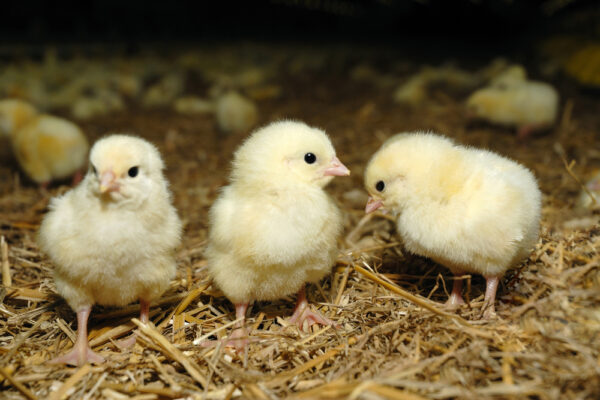
Bacterial Enteritis in Poultry What is Bacterial Enteritis? Bacterial enteritis (BE), also commonly referred to as Dysbacteriosis, Dysbiosis and Small Intestinal Bacterial Overgrowth (SIBO) is a disease observed in poultry which entails extreme inflammation and pathology in the gastrointestinal tract. Due to similar pathologies in the intestine, bacterial enteritis can commonly be confused with coccidiosis and necrotic enteritis, which are two entirely different diseases (see here for our article on coccidiosis). Misdiagnosis can lead to use of antibiotics or anticoccidials…

0
Read More

Calf Diseases: The Importance of Colostrum

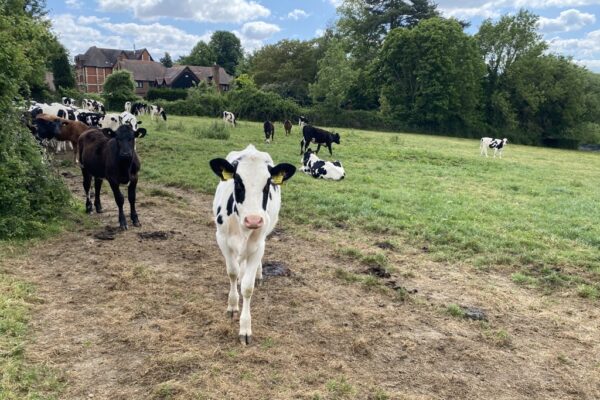
Calf Diseases: The Importance of Colostrum In terms of survival, the first few weeks for a calf are particularly important. As their bodies are still developing, they are not yet primed to effectively fight illness. The colostrum they receive is a vital step in protecting them from disease. It is important for livestock farmers to be aware of these three common calf diseases and also to know what steps can be taken to prevent and treat them. What exactly puts…

0
Read More
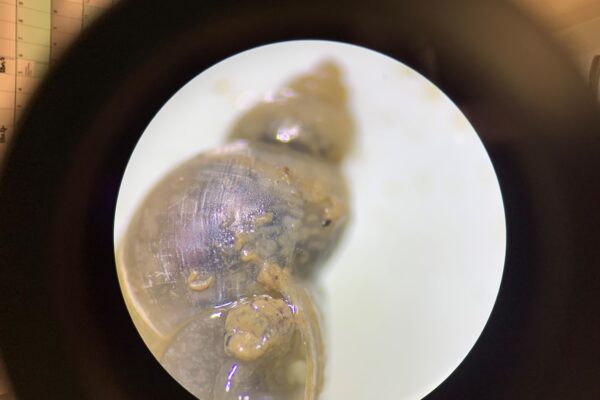
Infected Liver fluke snail

Parasite Watch Autumn Edition: Parasites to Watch Out For in Your Ruminants

Parasite Watch Autumn Edition: Parasites to Watch Out For in Your Ruminants This week we’re going to focus on parasites which cause two specific diseases in ruminates. These are parasitic gastroenteritis or PGE, caused by roundworms, and liver fluke, caused (unsurprisingly) by liver fluke flatworms. What is PGE? Parasitic gastroenteritis is one of the major contributors of reduced productivity in ruminants. An overburden of parasitic nematodes (roundworms) causes the infection in cattle, sheep and goats. These parasites reside in the…

0
Read More