


Angiostrongylus vasorum
What is Angiostrongylus vasorum?
Angiostrongylus vasorum (A. vasorum) is a metastrongyloid nematode which has definitive hosts in both domestic dogs and various canids such as foxes. The parasite was first documented in 1853 in France, which is why A. vasorum is often referred to as the French heartworm. Recently, while A. vasorum has been increasingly recognized as a cause of clinical disease in dogs in the known endemic areas, it has also spread to new areas. A. vasorum can now be found in multiple parts of Europe, South Africa, Canada, America and the United Kingdom. Infection with A. vasorum can cause dogs and foxes to develop signs of cardiorespiratory disease, including respiratory dysfunction.
Angiostrongylus vasorum infection:
The clinical signs seen following infection with A. vasorum are primarily associated with the adult worm residing in the pulmonary arteries and the right side of the heart. Infection can be caused by the ingestion of L3 larvae from infected intermediate hosts, such as slugs and snails. Currently, over 25 different species of slugs and snails have been identified as intermediate hosts for A. vasorum. Once ingested, the L3 larvae migrate through the intestinal
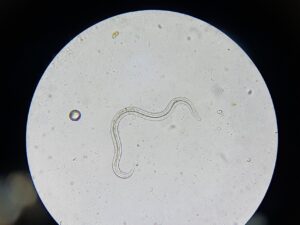
Figure 1: A. vasorum L3 larvae under a microscope.
wall to the mesenteric lymph nodes where they develop in to L5 larvae. They then migrate via the lymphatic and venous systems, maturing in the pulmonary vasculature. Ova released from the adult worms are washed in to the pulmonary capillaries, where they develop in to L1 larvae and migrate in to the alveoli. These are then coughed up, swallowed and passed in the faeces. The infected faeces are then responsible for the infection of intermediate hosts such as slugs and snails.
Other routes of infection for both domestic dogs and wild foxes include the ingestion of L3 larvae directly from the environment or via paratenic hosts, such as frogs.
Angiostrongylus vasorum infections in wild and domestic populations:
Within the United Kingdom and parts of Europe the main definitive hosts of A. vasorum are dogs and foxes. The red fox, Vulpes vulpes, is assumed to be the only significant wild host in the UK, whilst domestic dogs are also susceptible to A. vasorum infection. It has been suggested that the increasing prevalence of A. vasorum infection in domestic dogs mirrors the increased prevalence in the wild fox population, with the fox acting as a reservoir for canine infection. It has also been suggested in literature that A. vasorum is a source of increasing concern for foxes in the UK as not only is the parasite likely to affect fox health directly but also have an impact on the population dynamics.
The control of infection in wild populations can be difficult to manage, however, there are multiple measures suggested in literature to reduce the risk of infection in domestic dogs. These include removing dog toys from the garden overnight (therefore reducing the chance of contact with wildlife), limiting your dog’s access to areas where slugs and snails are likely to be present and regular removal of faecal matter from the garden. All of these measures are designed to reduce the risk of exposure to A. vasorum.
Treatment and testing for Angiostrongylus vasorum in dogs:
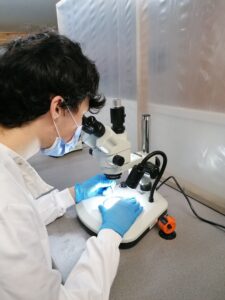
Figure 2: A Ridgeway scientist working with A. vasorum.
Literature has suggested that a good prognosis for dogs infected with A. vasorum is associated with appropriate and timely anthelmintic treatments. From the preventative point of view, the monthly use of macrocyclic lactones can be used to prevent infection, whilst for the treatment of A. vasorum, topically administered moxidectin or oral milbemycin oxime are licensed options in Europe. However, it has been debated whether it is appropriate for dogs to be on a regular treatment for A. vasorum or not, with stronger cases for dogs that live in high risk areas and dogs that regularly eat slugs and snails receiving regular treatment. For dogs that are highly exposed due to living in high risk and known endemic areas, routine screening for A. vasorum infection is recommended. Testing dogs for lungworm has also been recommended before treating unnecessarily. This can be done using the Baermann technique to extract larvae from faeces for identification.
The parasitology lab at Ridgeway is able to test for lungworm in dogs, including for Angiostrongylus vasorum. Follow this link to our website where you can request a lungworm test for your dog if you are concerned about A. vasorum infection in your dog: https://ridgewayresearch.co.uk/services/
References:
- Becskei, C., et al. (2020) Efficacy of orally administered combination of moxidectin, sarolaner and pyrantel (Simparica Trio™) for the prevention of experimental Angiostrongylus vasorum infection in dogs. Parasites & Vectors, 13(64), pp.1-7. DOI: https://doi.org/10.1186/s13071-020-3948-z
- Globokara, M., et al. (2021) Serological and faecal detection of Angiostrongylus vasorum in dogs from Austria. Veterinary Parasitology: Regional Studies and Reports, 26, pp.1-6. DOI: https://doi.org/10.1016/j.vprsr.2021.100641
- Lebon, W., et al. (2016) Monthly administrations of milbemycin oxime plus afoxolaner chewable tablets to prevent Angiostrongylus vasorum infection in dogs. Parasites & Vectors, 9(485), pp.1-8. DOI: 10.1186/s13071-016-1773-1
- Morgan, E. and Shaw, S. (2010) Angiostrongylus vasorum infection in dogs: continuing spread and developments in diagnosis and treatment. Journal of Small Animal Practice, 51, pp.616-621. DOI: 10.1111/j.1748-5827.2010.01000.x
- Morgan, E.R., et al. (2008) Angiostrongylus vasorum and Eucoleus aerophilus in foxes (Vulpes vulpes) in Great Britain. Veterinary Parasitology, 154(1-2), pp.48-57. DOI: https://doi.org/10.1016/j.vetpar.2008.02.030
- Tappin, S. (2014) Angiostrongylus vasorum update. Vet Times, 21 April, pp.1-11. Available at: Angiostrongylus vasorum update (vettimes.co.uk)
- Tiškina, V., et al. (2019) Autochthonous Angiostrongylus vasorum in Finland. Veterinary Record Open, pp.1-6. DOI: 10.1136/vetreco-2018-000314